Showing posts with label anaphylaxis. Show all posts

Tuesday, 4 June 2013

Auvi-Q Carriers

Auvi-Q Holders

I've been on the look-out for Auvi-Q carriers to make self-carrying easier. Auvi-Q offers a great shape for adults- fits in most handbags for women and in most pockets in menswear. However, active kids often need something on their person that will stay put. Here's what I've found so far:

Has anyone found an Auvi-Q carrier they prefer? Please share!

    Sunday, 3 March 2013

    Consider Body Weight When Using an Epinephrine Injector

    EpiPen Injector
    When a person experiences anaphylaxis, a life threatening reaction to foods, bees, latex or other causes, the best course of action is to administer epinephrine quickly and effectively. Typically, this means using an epinephrine auto-injector (like an EpiPen or Auvi-Q) and injecting into the side of the upper leg.

    A recent study conducted in the U.K. found that the injection site may vary depending upon body weight. Using ultrasound to take skin surface to muscle depth measurements, researchers found that higher weight and waist circumference were linked to a skin surface to muscle depth measurement greater than the length of the auto-injector needle. This means the epinephrine was not getting into the muscle where it would be more rapidly absorbed.

    The study concluded that it may be beneficial to inject further down the leg where skin surface to muscle depth surpassed the length of the auto-injector needle for a majority of kids. 
    Auvi-Q Auto Injector

    Talk to your doctor (and share the press release, Injecting Epinephrine into the Lower Rather Than Upper Thigh May Be More Effective in Overweight Children) if you have concerns about weight and the effectiveness of an epinephrine injector. Make sure that the prescribed auto-injector user and all caregivers are aware of the best place to administer the injection to maximize the benefits of the medication.

    Monday, 11 February 2013

    Food Allergy Reactions on Valentine's Day

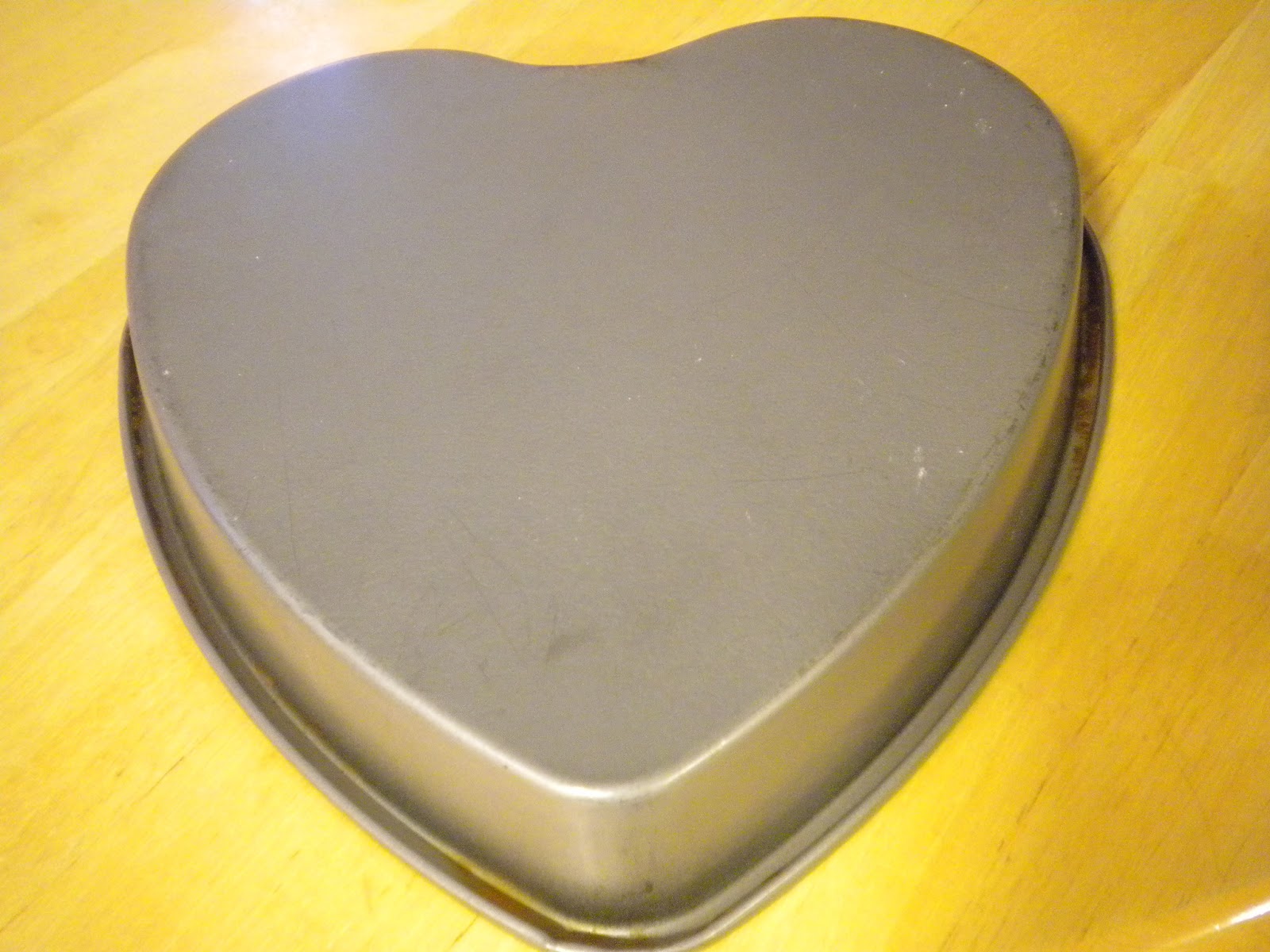
    Candy Heart Molds
    A recent survey sponsored by Mylan Specialty indicated that as many as one in three parents report their children with life-threatening allergies have experienced anaphylaxis on Valentine’s Day. This scary statistic underlines the importance of talking to kids before this Thursday's holiday.

    Pre-School and Elementary-Age Children- Parents should talk to teachers and staff early this week about special events planned to celebrate Valentine's Day. From classroom parties and crafts, to food sent in for school parties, peanuts, tree nuts, chocolate and baked goods may be prominently featured. Remind young children about your food allergy rules (no eating anything unless it's been approved, checking with a safe adult if unsure, etc.) and make sure they are aware that Valentine's Day may mean that things are different at school this Thursday. Consider role-playing as a way to help them feel comfortable dealing with specific situations.

    Teens and Young Adults- While classroom parties may be less of an issue at the middle school and high school levels, there are important reminders for this group too. Sometimes friends exchange Valentine treats and it may be tempting for a young person to "try a bit". This age group is particularly susceptible to food allergy emergencies because they want to fit in...they don't want to feel different. Again, talk to them before Thursday about your food allergy rules (no eating anything unless the label has been checked, carrying their medicine at all times, etc.). 

    Food allergy reactions have been linked to kissing, so if you haven't had THE CONVERSATION yet, talking to your teen about dating and kissing near Valentine's Day may be appropriate.
    Heart-Shaped Cake Pan

    A little planning (and talking) early this week will help you and your family enjoy a safe Valentine's Day this Thursday.

    Is your child's school still celebrating Valentine's Day with traditional parties and treats?

    Friday, 8 February 2013

    EpiPen vs Auvi-Q...And I Mean That in the Nicest Way

    EpiPen and Auvi-Q
    We now have EpiPens and Auvi-Q's in our house. Of course this may not work for every household. It could be confusing for younger children to have two different epinephrine devices. It may be disorienting to some caregivers. But, for us, it works to have both. There are times when it's easier for me to fit Auvi-Q in my favorite small purse. 

    Other times, the shape of the EpiPen works better. 

    Size of Auvi-Q
    But, what I most appreciate is having choice. EpiPen is celebrating its 25th birthday this year. While we've seen a few other devices designed to treat anaphylaxis over the years (think Twinject and Adrenaclick), we haven't seen any new innovation- until Auvi-Q came on the market last week. The shape is remarkably different than anything else we've seen and a voice talks the user through the procedure, much as a defibrillator (AED) does.

    When I called my doctor's office earlier this week to ask for an Auvi-Q prescription, they said, "Would you spell that please?" A nurse called back a short time later to say that they had a training on Auvi-Q coming up in a few days and that they didn't yet have the prescription information entered in their computer. They manually called in my prescription to Target. 

    I'm also sending in some trainers to the director of our school nurses so she can share it at next week's nursing staff meeting. It's important to tell schools, daycares, babysitters and others if you've got an Auvi-Q for your child as they may search for the traditional shape of an EpiPen.

    Price of the new Auvi-Q has been a hot topic. Each prescription comes with two devices and a trainer. I paid $72.74 for my prescription that was covered by insurance. By comparison, I pay $48.43 for EpiPen. This time, I only paid $25 for Auvi-Q because I printed a coupon. The coupon can be used twice and offers a $25 co-pay for prescriptions covered by insurance, or $60 off for self-pay customers. Honestly, that is a greater price difference than I expected. Our new Auvi-Q devices don't expire until April 2014, but as our EpiPens expire, we'll need to decide if the extra cost is worth it to us.

    We need companies like Mylan and Sanofi and we need independent inventors like the Edwards brothers to keep us informed and to bring innovation and choice. Until the day finally comes when we no longer need to fear food, bees, latex and anything else that may lead to anaphylaxis, there's room for pioneers and options.   

    Auvi-Q Prescription
     Will you have both devices in your house?

    Monday, 14 January 2013

    Auvi-Q Epinephrine Injector is Coming

    Auvi-Q Epinephrine Injector
    I first posted about a credit card sized epinephrine auto injector over two years ago. In a December 2009 post, I wrote about two brothers and their company Intelliject. I was most excited about the potential for this new product for teens and young adults. This age group often doesn't carry their epi injectors because it's "inconvenient". An injector smaller than a cell phone- now that sounded convenient.

    Fast forward to last week when I had the opportunity to see this new product. I was invited to Sanofi's U.S. headquarters in N.J. to see Auvi-Q® up close and to provide feedback to the team that has been working on bringing this product to the market. It was a fun day for me as I had an opportunity to hear from Dr. John Oppenheimer on the current state of anaphylaxis (more on that later this week). I also got a history lesson on the new product and shared lunch with some fellow food allergy advocates.

    Auvi-Q is short for Audio Visual Cues. As the name suggests, the device carries both visual and audio instructions for use. As soon as it is pulled from the case, a friendly and calm voice begins walking the user through the steps. Here's what I really like about this product:

    • the size- it's even littler than I expected and is smaller than my smartphone. My tween really liked the shape and size.
    • the audio helper- everyone is nervous about having to use an auto-injector device. A voice guide really decreases anxiety.
    • no need to swing device into outer thigh- with Auvi-Q, the user places the device on the outer thigh and pushes firmly.
    • hidden needle- the needle in this injector goes into the leg and within one second retracts back into the device. There was always something about having to withdraw the needle that was unsettling. No accidental needle pricks to worry about here either!
    • has been waterproof tested- the product can sustain some water and still operate effectively. It does contain a battery for the voice recording, but even if the battery no longer works, the injector itself will still operate and release the medicine.
    Here's a little amateur video we made to show how easy it is to use:


      Auvi-Q is FDA approved and scheduled to go on the market in the U.S. by the end of March 2013. At this time, the cost of the device is unknown, however, two active devices and one trainer will be the norm for prescriptions. Many epinephrine injector rules will remain the same, such as approximately one year expiration dates, a viewing window to ensure the medicine is a clear color, two different dosages depending on body weight and the need to be aware of temperature extremes.

      Check out what some other food allergy bloggers are saying about Auvi-Q:
      Grateful Foodie- Inspiring- We Met the Auvi-Q
      AsthmaAllergiesChildren- Thoughts About the New Auto-Injector
      Multiple Food Allergy Help- Auvi-Q Epinephrine
      Amazing and Atopic- The Audio Visual Lifesaver 
      Learning to Eat Allergen Free- AuviQ is Coming Soon

      You can sign up to find out when Auvi-Q will be available, or keep an eye on Food Allergy Assistant for further updates. Let me know if you have any questions or comments. I am thrilled to have more options in the toolbox for managing food allergies and anaphylaxis.

      Full disclosure: My travel expenses and lunch were covered by Sanofi, although I am under no obligation to review this product...but I just wanted to!

      Tuesday, 11 September 2012

      A Little Market Competition for EpiPens

      EpiPens by Mylar
      Holy smokes! I just paid $44 for our back-to school EpiPens! A few years ago, I paid $10.

      Now believe me, I'm always happy to give our unused pens to the doctor's office (although we first inject them in an orange for practice before turning them in). I'd rather pay and not have to use the epinephrine, than have a medical emergency requiring their use; however, with no competition, no matter how high the price may go, many of us are going to pay it.

      We must. It's the only thing we've got in an emergency.

      Things may change this fall when Sanofi introduces Auvi-Q and again in 2015 when Teva puts out a generic EpiPen (pending FDA approval).

      We'll see. I was hopeful that Twinject may have been a competitor to the EpiPen in terms of pricing, but that hasn't happened. In this NY Times article, "Tiny Lifesaver for a Growing Worry",
      an analyst at Cowen & Company questioned whether parents would be willing to switch to a different brand in such life-or-death situations, saying, “parents may want the real thing".

      So, I'm wondering...are you willing to try something new or are you sticking with the tried and true EpiPen? Are you excited about Auvi-Q?  Are you buying fewer EpiPens as the prices have increased?

      Thursday, 19 July 2012

      Food Allergies and the 2012 Olympics

      While we prepare to enjoy the upcoming Summer Olympic Games in London, caterers are busy preparing for the 14 million meals that will be served during the 17-day event. Athletes will consume 1.2 million of those meals, which will include dishes for special dietary needs such as Kosher, low salt and allergens.

      The remaining meals will be served to spectators through restaurants and food stalls. The UK Anaphylaxis Campaign confirms that people with special dietary needs can bring their own food into the venues, but advises also bringing a medical note to cover both the food and any medications.

      Opening ceremonies kick-off the Games on Friday, July 27. If you're looking for more information about the sporting events and how to make sure you don't miss your favorites, check out my article, What to Expect for the 2012 London Summer Olympics

      Let the Games begin!


      Friday, 1 October 2010

      Epinephrine Use to Treat Food Allergy or Insect Sting Reactions

      State laws vary in regards to whether non-medical personnel may administer epinephrine to a person experiencing anaphylaxis due to an allergic reaction. Recently, the WMS (Wilderness Medical Society) addressed this issue. The organization has taken the position that:
      • outdoor instructors authorized to treat anaphylaxis should be trained to administer epinephrine
      •  legislative change on the federal level should establish uniform protection in all 50 states
      So, see that second bullet point? That means families need to know what the law in their state says about non-medical personnel administering epinephrine. In New York, for example, teachers and camp counselors are permitted to administer epinephrine after proper training. Other states strictly prohibit this. Good Samaritan Laws may cover people in some areas.

      Ideally, a person with a known allergy that may lead to an anaphylactic reaction carries their own medication and self administers if necessary. That is not always possible though, especially for children experiencing a reaction. The laws need to protect helpers who may need to assist someone in a life-threatening situation.

      Read the full WMS position and know the laws in your state.

      Friday, 2 April 2010

      Food Allergic Should Have Double Dose of Epinepherine Available

      So the latest recommendation is that people with food allergies should be carrying two doses of their life-saving epinephrine. This is the conclusion of researchers at Children's Hospital Boston after a six year study. Dr. Rudders headed the study and says, "Until we're able to clearly define the risk factors for the most severe reactions, the safest thing may be to have all children at risk for food-related anaphylaxis carry two doses of epinephrine".

      It was also discovered during the course of this research that many emergency rooms are treating food allergy reactions with antihistamines and steroids, rather than epinephrine. Rudders explains that "these findings may be due to lack of a universal understanding of anaphylaxis in the ED (emergency department) before 2006". She goes on to say that she hopes her study will move things forward in this area.

      The entire study was written up in the April 2010 journal of Pediatrics.

      Wednesday, 20 January 2010

      New Injector of Epinephrine

      The EpiPen® has long been the standard prescription for patients who may suffer from anaphylaxis due to food insect and other allergies.

      Several years ago a new device for delivering epinephrine came out, the Twinject®. The advantage of this device was that each unit contained two doses. Patients have long been cautioned that epinephrine doses only last 15-20 minutes, so Twinject touted its advantage as giving the patient an additional back-up dose and more time to seek treatment.

      Sciele Pharmaceuticals is soon releasing a new epinephrine device called Adrenaclik. It, like the Epipen, is a single dose injector. Actually it looks much like the EpiPen and the instructions for use are similar, although with the Adrenaclik, two gray caps need to be pulled off from either end, rather than one on the Epipen.

      I wonder if we will see more of these auto-injectors? I wonder if that means the price will come down? It's pretty expensive to have several on-hand, isn't it? I did find documentation that states the EpiPen patent doesn't expire until Sept. 2025. I don't understand all the legalese on patents and generic drugs. Anyone else?